Handover without staff: when the renter documents it
Early pick-up, Sunday return, key box: how a handover without an employee still produces a protocol that holds up in a dispute.
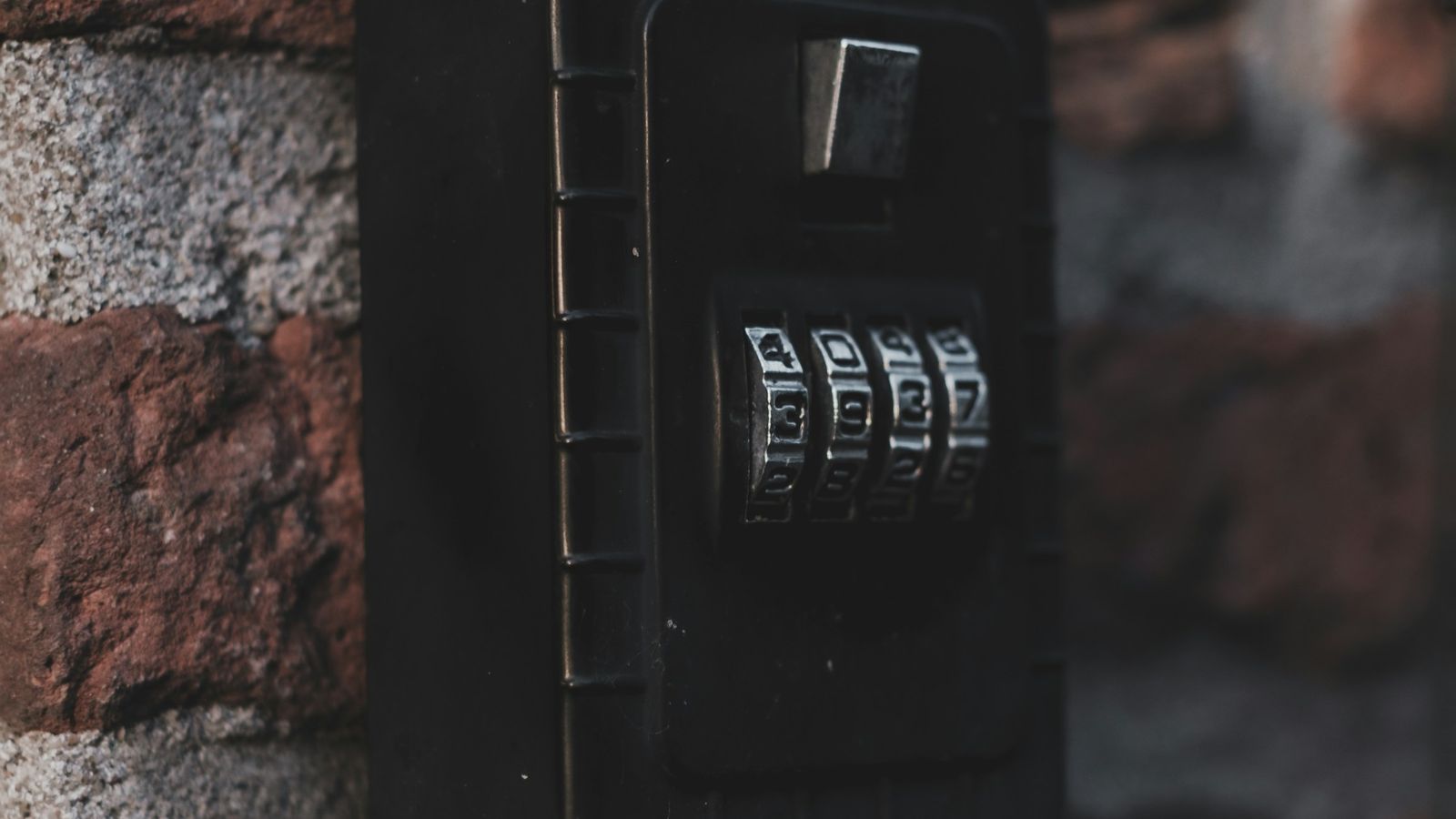
Many handovers don't happen while someone is in the office. The customer wants to leave at six in the morning, the boat comes back on Sunday evening, the key is waiting in a key box at the entrance. In all of these cases there is either no protocol at all, or one you record on your own the next morning. Both are weak in a dispute.
The alternative: the renter documents the condition themselves before they leave.
Why a protocol from the renter is worth more than it sounds
The usual worry is: the renter will only photograph what suits them. True, but it matters less than you would think. What counts is not that every detail is captured, but that the renter confirms with their signature the condition in which they took over the vehicle or boat.
Whatever they did not mark, they accepted as fine. If damage turns up in that spot on return, you don't have to explain why you missed it. They missed it, and they signed.
A protocol you record alone the next morning does not have that effect. It shows what you saw, not what the renter acknowledged.
What it takes to work
A fixed starting point on the object. A QR code on the vehicle, on the jetty or on the key box. No link that first has to arrive by email, no app the renter has to install beforehand. Scan and start.
Guidance through the photos. Someone taking over a boat or a camper for the first time does not know which spots matter. A fixed order (front, left, rear, right, interior, fuel gauge) makes sure the same pictures are taken at every handover. Only then can handover and return be compared.
Known damage up front. The renter should see the damage you already know about and confirm it. Otherwise they mark the dent in the tailgate as new for the third time, and nobody knows any more which dent is meant.
A signature at the end, with a timestamp. Without it, the photo series is a collection of pictures. With it, it is a protocol.
A copy for both sides, immediately. The renter gets the protocol by email before they leave, and you get the same document. There is no second version left to argue about later.
Where self-service does not fit
It does not replace a briefing. Someone driving a motorhome for the first time, or taking out a boat without a licence, needs a person to explain gas, water and mooring. Self-service is meant for the condition, not for the technology.
For high-value objects with a high deposit, a handover by an employee also remains the stronger option, because then both sides sign. For the regular customer, the early pick-up and the weekend return, however, a protocol the renter creates themselves is far better than none at all.
The return is part of it
If the object comes back without staff present, record the return as early as possible and note that the renter was not present and when you found the object. The shorter the gap to the drop-off, the less room there is for the question of whether the damage happened afterwards. It also helps to ask the renter to send two or three photos when they park: they don't replace a protocol, but they narrow down the time window.
In RentalHandover, every object can get its own QR code. The renter scans it with their phone, photographs the defined positions, confirms the known existing damage, marks new damage directly on the picture and signs. The PDF goes to them and to you, and the protocol cannot be changed once it is signed.
Protocols that hold up in a dispute
RentalHandover creates handover and return protocols with photos, damage markers and a signature - as a PDF, delivered to the renter instantly. Free plan with no time limit.
Start for free