Withholding a deposit: what you have to prove
Whoever keeps part of a deposit has to justify it. What counts as proof, what doesn't, and where it fails in practice.
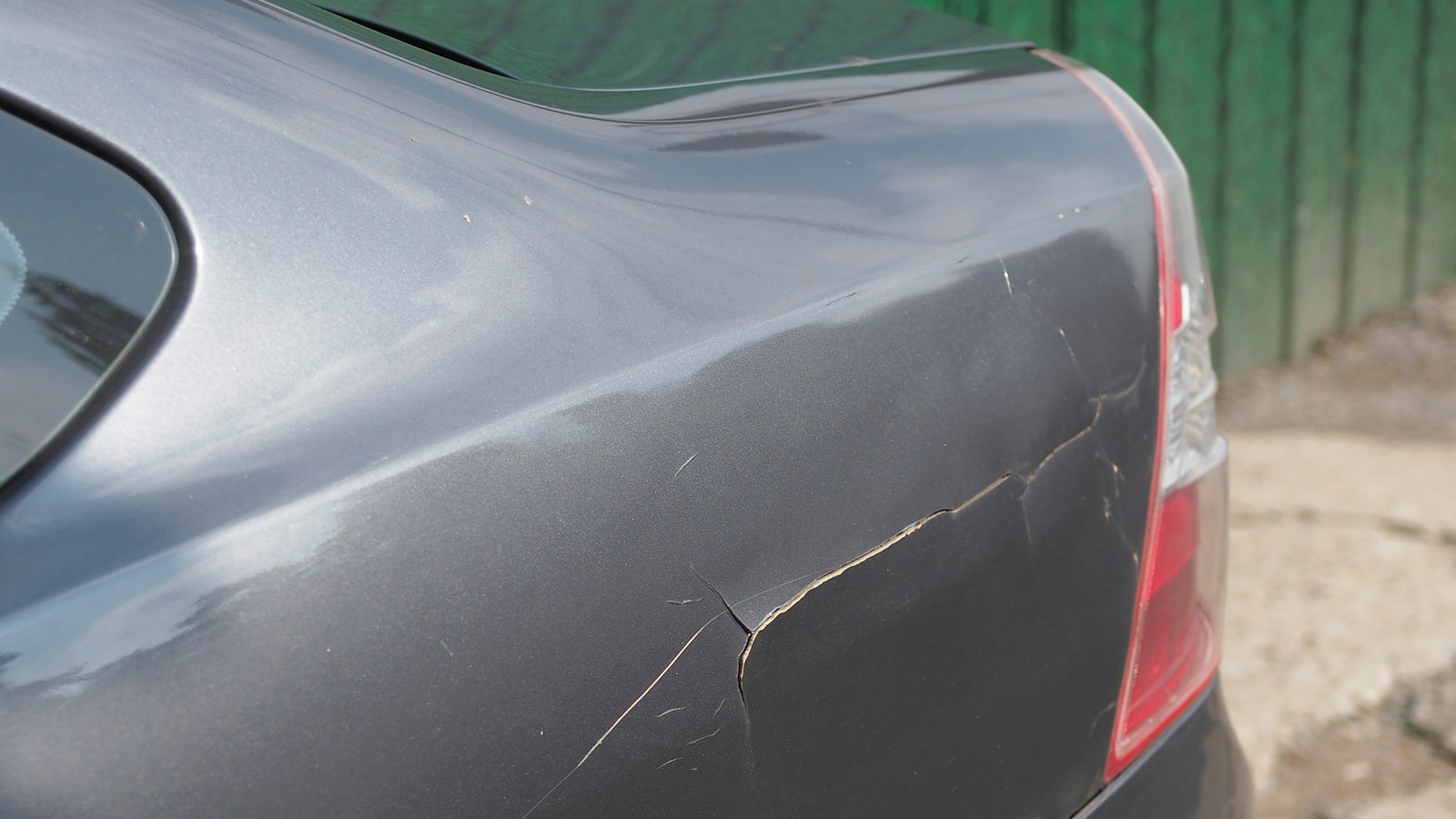
A dispute over a security deposit almost never ends on the question of whether there is damage. It ends on the question of when it happened. And that question is not answered by the return report, but by the handover report from two weeks earlier.
The burden of proof is on you
Whoever keeps money has to say what for. In practice that means you have to show that the vehicle or boat was in a certain condition at handover and in a worse one at return. The renter doesn't have to show anything. A photo of the damage alone therefore proves nothing - it only proves the damage is there now.
This is why rental businesses lose disputes they should win: there are pictures from the return, but no comparable ones from the handover.
What proof has to deliver
Comparability. Two photos of the same spot, before and after. An overview of the whole car and a close-up of the scratch are not a comparison, they are two different pictures.
Attribution. It has to be clear from the picture or its data which object and which rental it belongs to. A folder with 4,000 phone photos is not proof, it is an archive.
A time. A picture without a verifiable time can be from any day. File dates can be changed; a report with a signature and a timestamp cannot be changed as easily.
The renter's knowledge. Your strongest position is the one in which the renter confirmed the condition at handover themselves. That is what the signature is for - not as a formality, but as agreement with what the pictures show.
Where it fails in practice
The handover was rushed. The customer was already standing at the vehicle, three photos were taken instead of twelve. The spot where the damage shows up later is on none of them.
The damage was known but written down nowhere. Everyone in the business knew about the dent in the tailgate. It wasn't in the report, so to any third party it is new.
The report was changed afterwards. If a document can still be edited after it is signed, it loses exactly the value it was made for. A completed report has to be unchangeable.
The return happened without the renter. Key in the letterbox, car parked outside. Then you need a return report that records the condition and states that the renter was not present, including the time you took it.
The practical recommendation
Take more photos at handover than seems necessary, and mark every existing damage directly on the picture. Have the renter sign while they are still there. Send them the report straight away, not in the evening.
At return you then don't need to argue: you put both conditions side by side. What was marked at handover is known. What is new is new - and that is the basis on which a deposit can be reduced.
At every return, RentalHandover puts the handover next to it: known damage stays marked as known, new damage stands beside it in red, mileage and fuel level with the difference. After the signature the report cannot be changed, and the renter has their copy with the same content.
Protocols that hold up in a dispute
RentalHandover creates handover and return protocols with photos, damage markers and a signature - as a PDF, delivered to the renter instantly. Free plan with no time limit.
Start for free